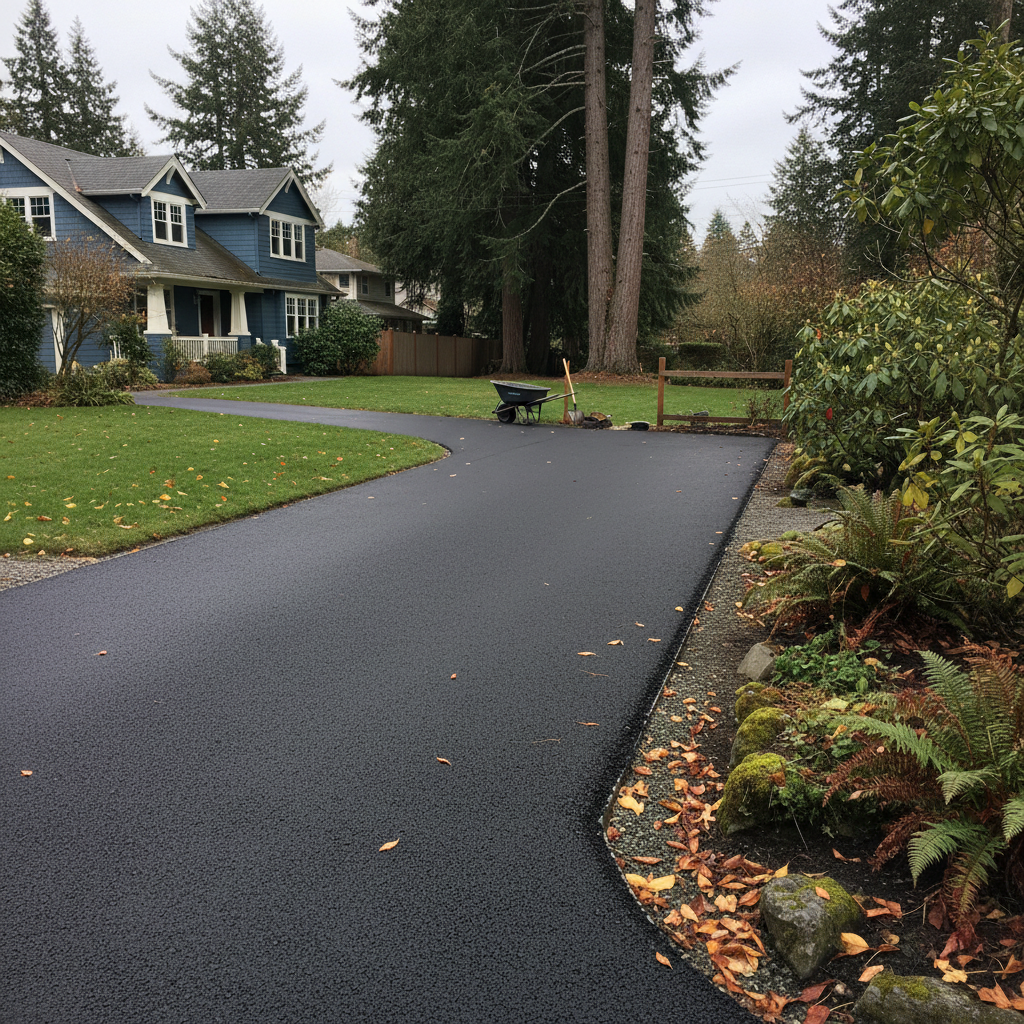
So, you've got an asphalt driveway or parking lot. That's a pretty big investment, right? But here in Shoreline, our weather isn't always asphalt's best friend, and I hear a lot of questions about it. Folks want to know when's the best time to do paving work, what conditions are ideal, and how to keep that asphalt looking good all year. Let's dig into it.
When to Get Your Asphalt Work Done in Shoreline
Honestly, timing is everything with asphalt. You can't just pave whenever. For new asphalt installation or any big repairs, you're really looking for a specific window. We need steady temperatures, usually above 50 degrees Fahrenheit, and dry conditions. That's why spring, summer, and early fall are our busiest seasons.
Think about it: the asphalt mix needs to cool down and cure properly. If it's too cold, it cools way too fast, which can lead to cracking later. And if it's too wet, water gets trapped, and that's just asking for trouble down the road. So, if you're planning a big project — like a brand new driveway or a large parking lot resurface — you'll definitely want to get on our schedule for late spring through early fall. The sooner you call us, the better your chances are of snagging those perfect weather days.
For smaller patch jobs or sealcoating, we do have a bit more wiggle room, but the same basic rules still apply. You still need dry weather and decent temperatures for the materials to bond and cure right. Nobody wants to pay good money for a job that won't last because we rushed it in bad weather, do they?
Weather Conditions That Really Impact Asphalt Work
It's not just about the temperature, you know? There are a few other things our Pacific Northwest climate tends to throw at us:
- Rain: This is the big one, no doubt about it. We simply cannot lay new asphalt when it's raining. Water stops proper adhesion and compaction, which just weakens the whole pavement. Even a light drizzle can really mess things up.
- Temperature: Like I said, sustained temperatures above 50°F are super important. This keeps the asphalt pliable while we're putting it down and helps it compact correctly. Too cold, and it gets brittle. Too hot, and it can be tough to work with, maybe not compacting as densely as it should.
- Ground Conditions: This matters a lot for new installations. Our Shoreline soil, which often has a lot of clay and sometimes sits on a high water table, needs to be dry and stable. If the ground underneath is wet or unstable, the asphalt won't have a solid foundation, and you'll start seeing problems like cracking and rutting way too soon.
We're always watching the forecast like a hawk, believe me. If we've got a project scheduled and the weather takes a turn, we'll let you know right away. It's always better to reschedule than to do a crummy job that won't hold up.
Keeping Your Asphalt Investment Safe All Year
Once your asphalt is in, the work isn't quite finished. You've got to protect that investment, especially with our wet winters and those occasional hot summers. Here's what I suggest:
Spring & Summer: Sealcoating & Crack Sealing
This is your prime time for preventative maintenance. Sealcoating should happen every 2-3 years, depending on how much traffic it sees and how much wear it gets. Think of it like sunscreen for your asphalt; it protects it from UV rays, water, and chemicals. Plus, it gives it that fresh, black look. Before we sealcoat, we always recommend taking care of any cracks. Small cracks can become huge potholes fast if water gets in and freezes. Get those cracks filled when they're tiny — it's way cheaper than a full repair later on.
Fall: Drainage & Debris Management
As the leaves start falling and the rain picks up, really pay attention to your drainage. Make sure your gutters are clear and any drains around your asphalt are free of debris. Standing water is asphalt's arch-enemy. It seeps into cracks, weakens the base, and can cause serious damage, especially with those freeze-thaw cycles. Clear off leaves and other organic stuff, too; they can hold moisture right against the pavement.
Winter: Snow, Ice, & Pothole Patrol
Our winters aren't usually extreme, but we do get ice and some snow. If you're using de-icing agents, be careful about what you're putting down. Some harsh chemicals can actually degrade asphalt over time. Shovel snow carefully, trying not to scrape the pavement too hard. And keep an eye out for new potholes. If you spot one, get it fixed quickly. A small pothole in December can turn into a massive headache by March, trust me.
Taking these steps throughout the year will really stretch out the life of your asphalt. It's all about being proactive, not just reacting to problems. If you've got questions about your specific driveway or parking lot, or if you're ready to get on the schedule for some work, give us a call at Paradise Asphalt Solutions. We're here to help you keep your Shoreline asphalt in great shape, no matter what the weather decides to throw at us.