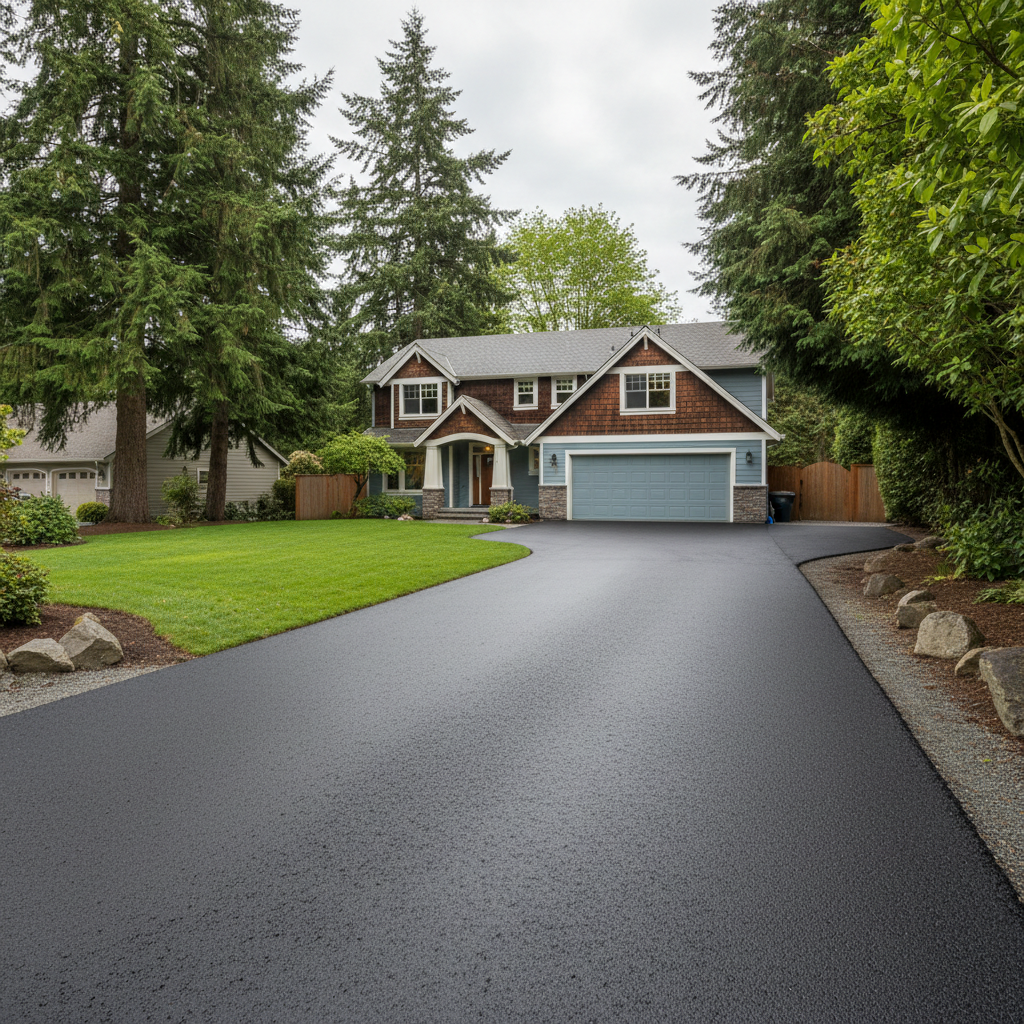
You just invested in a new driveway, or maybe you're looking at your existing one and wondering how to keep it from falling apart. It's a fair question, especially here in Shoreline where our weather can be pretty tough on asphalt and concrete. I've seen countless driveways around neighborhoods like Richmond Beach and Innis Arden, and I can tell you, a little bit of care goes a long way. Let's talk about how to make your driveway last.
Extend Your Driveway's Life: The Basics
Think of your driveway like anything else you want to last – it needs some attention. The biggest enemies of any paved surface around here are water, sun, and heavy loads. Our constant rain, followed by those surprisingly hot summer days, really puts stress on the materials. Here's what you can do:
- Keep it Clean: Sounds simple, right? But leaves, dirt, and debris hold moisture against the surface, which can lead to moss and algae growth. That stuff holds even more moisture, and before you know it, you've got a damp, slippery mess that's slowly breaking down your pavement. A good sweep or power wash (on a low setting, don't blast it!) a few times a year makes a big difference.
- Sealcoating (for Asphalt): If you've got an asphalt driveway, sealcoating is your best friend. It's like sunscreen and a raincoat all in one. It protects against UV rays, water penetration, and even helps resist oil and gas spills. For most residential driveways in our climate, I recommend sealcoating every 2-3 years. Don't wait until it looks faded and cracked; be proactive.
- Crack Filling: This is huge. Even tiny cracks let water get underneath your pavement. When that water freezes and thaws (which it does here, even if it's not a deep freeze), it expands and contracts, causing those small cracks to become big potholes. Fill cracks as soon as you see them. It's a cheap fix now, an expensive one later.
- Drainage Matters: Make sure water isn't pooling on your driveway. If you've got low spots where water collects after a rain, that's a problem. Constant standing water will degrade the surface much faster. Sometimes, a simple French drain or regrading a small area can fix this.
Regular Maintenance: What You Should Be Doing
Beyond those big-picture items, there are some routine things you should be doing. You don't need to obsess, but a quick look every month or so can save you a lot of grief.
- Check for Oil/Chemical Spills: If you've got a leaky car, get that oil cleaned up quickly. Gasoline, oil, and other automotive fluids can soften and dissolve asphalt, and they'll stain concrete. Use an absorbent material like cat litter, let it sit, then sweep it up. For stains, there are specific cleaners, but the faster you act, the better.
- Trim Overhanging Branches: Trees are beautiful, but their roots can cause major problems by pushing up pavement. Plus, falling leaves and debris contribute to moisture retention. Keep those branches trimmed back, especially if they're right over your driveway.
- Don't Overload It: If you've got a really heavy RV, a large boat, or you're getting a huge delivery of gravel, try to distribute the weight or park it off the main paved area if possible. Pavement is designed for certain loads, and exceeding that regularly will cause premature wear and cracking.
Warning Signs You Can't Ignore
Your driveway will usually tell you when it's in trouble. You just have to know what to look for:
- More Cracks Than Usual: A few hairline cracks are normal over time. But if you see a sudden increase in cracks, or they're getting wider and deeper, that's a red flag. Alligator cracking (lots of interconnected cracks that look like alligator skin) is a sign of base failure and needs immediate attention.
- Potholes: These are beyond cracks; they're actual holes in the pavement. They start small, but our wet Shoreline weather makes them grow fast. Fill them quickly to prevent further damage.
- Fading and Discoloration: For asphalt, this means the binder is oxidizing and losing its protective qualities. For concrete, it might indicate surface wear or chemical exposure.
- Pooling Water: As I mentioned, standing water is a bad sign. If your driveway used to drain fine and now it's got puddles, something's shifted or settled.
- Raised or Sunken Areas: This is a big one. If parts of your driveway are noticeably higher or lower than others, it often means there's a problem with the sub-base. This is serious and usually requires professional repair.
When to Call a Professional (Like Paradise Asphalt Solutions)
Look, I'm a big believer in DIY when it makes sense. Filling small cracks, cleaning, and even some minor patching can be done by a homeowner. But there are times when you really need to bring in the pros.
- Extensive Cracking or Alligator Cracking: If your asphalt driveway looks like an alligator's back, the problem is usually deeper than just the surface. You'll need more than just crack filler.
- Large Potholes or Multiple Potholes: While you can patch these, if they're widespread, it might be time for a more comprehensive repair or even a resurfacing.
- Significant Drainage Issues: If water is pooling consistently and you can't figure out why, or if it's impacting your foundation, you need an expert to assess the grading and drainage.
- Heaving or Settling: As I said, this points to sub-base problems. Fixing this properly involves understanding soil conditions (which, around here, can be tricky with all our clay and varying elevations) and proper compaction. It's not a DIY job.
- You're Not Sure: Honestly, if you're looking at your driveway and just have a gut feeling something's wrong, or you're overwhelmed by the damage, just give us a call at Paradise Asphalt Solutions. We're happy to come out, take a look, and give you an honest assessment. Sometimes it's a simple fix, sometimes it's a bigger job, but you won't know until you ask. We'd rather you call us for an inspection than wait until your driveway is completely shot.
Taking care of your driveway isn't glamorous, but it's a smart investment. A well-maintained driveway boosts your home's curb appeal, keeps your cars safe, and saves you a ton of money in the long run.