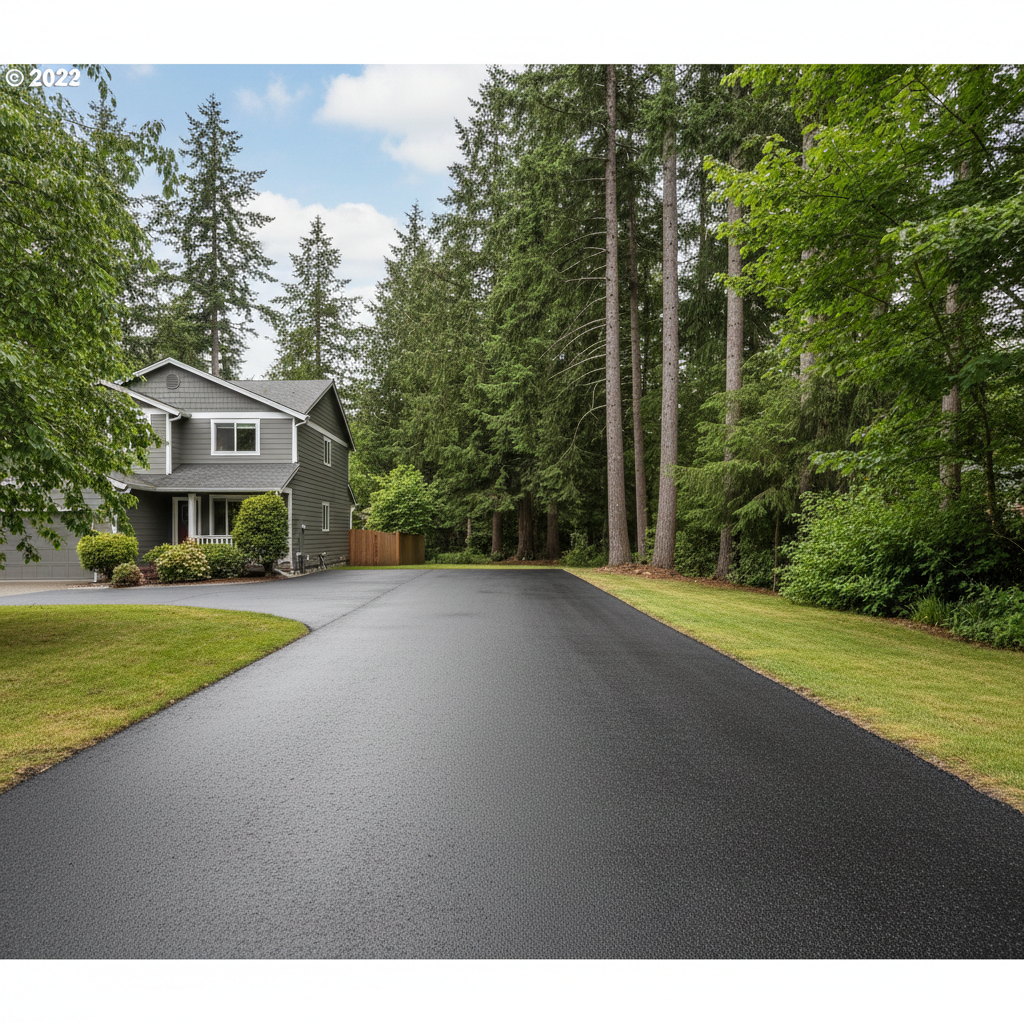
So, you just put in a brand-new asphalt driveway, or maybe you've had one for years and you're hoping it sticks around. Either way, it's smart to think about keeping it up. A driveway isn't really a "set it and forget it" kind of deal, especially here in Shoreline with our particular weather patterns. But don't sweat it, it's not rocket science either. Just a little regular attention can go a very long way.
Making Your Driveway Last Longer
The biggest thing you can do to get more life out of your asphalt is to protect it from the weather and heavy stuff. Our wet winters and those occasional hot summers we get here in the Puget Sound region can really beat it up. Water is asphalt's number one enemy, and sunlight isn't far behind, believe me.
- Sealcoating is key: Think of sealcoating like sunscreen for your driveway. It puts a protective layer right over the asphalt, shielding it from UV rays, water seeping in, and even oil spills. I usually tell folks to get a fresh sealcoat every 2-3 years; it just depends on how much traffic it sees and how much sun hits your driveway. This keeps the surface flexible and stops those tiny cracks from forming.
- Good drainage matters: Make sure water isn't just sitting on your driveway. If you've got low spots where water pools after a rain, that's definitely a problem brewing. Standing water soaks into the asphalt, freezes when it gets cold, expands, and then — bam — you've got potholes. If you keep seeing puddles, you might need to look at patching or even some minor regrading.
- Watch the weight: Your asphalt driveway is tough, sure, but it's not indestructible. Try not to park heavy RVs or big commercial trucks on it for long periods. If you're getting a delivery, ask the driver to drop things off at the curb if they can. Concentrated weight, especially in the same spot day after day, can cause depressions and cracks.
- Clean up spills fast: Oil, gas, and other car fluids can soften and even dissolve the asphalt binder over time. If you spot a spill, clean it up right away using something absorbent like cat litter or sand. Then, scrub it with a stiff brush and a mild detergent. Rinse it really well.
Simple Maintenance You Can Do Yourself
This isn't about being outside every single weekend, but a few easy tasks throughout the year can save you a ton of headaches and money later on.
- Keep it tidy: Regularly sweep off leaves, dirt, and other debris. Organic stuff can hold moisture against the asphalt, and grit can act like sandpaper under tires, wearing down the surface. A leaf blower, by the way, works wonders for this.
- Deal with weeds: Weeds and grass just love to pop up through cracks. Not only do they look bad, but their roots can make those cracks wider, letting in more water. Pull them out by hand or grab a targeted weed killer. Just be careful not to get herbicides on the asphalt itself; some can cause discoloration or damage.
- Fill small cracks: This is probably the most important DIY job. If you see hairline cracks, don't just ignore them. They're basically an open invitation for water to get under your asphalt. You can pick up asphalt crack filler at any hardware store. Just clean out the crack, make sure it's dry, and then apply the filler following the product's directions. It's a cheap fix that prevents really expensive repairs down the line.
Warning Signs: When to Pay Closer Attention
Your driveway will usually tell you when something's wrong. You just need to know what to look for. Here are some red flags:
- Alligator cracking: This looks like a bunch of cracks all connected, kind of like alligator skin. It usually means the asphalt base is giving out, often because of water damage or heavy loads. This isn't a DIY fix; it really needs professional help.
- Potholes: These are dips in the pavement where the asphalt has completely broken away. Potholes start small and then grow super fast, especially with our Shoreline rain and those freeze-thaw cycles. They're a trip hazard and can mess up your car's suspension.
- Raveling: This happens when the aggregate (the small stones) starts to come loose from the surface, making the asphalt look rough and pitted. It's a sign that the binder is wearing away, often from age or sun exposure.
- Fading and discoloration: If your driveway is looking gray instead of black, that means the asphalt binder is oxidizing from UV exposure. This makes the pavement brittle and more likely to crack. A good sealcoat can often fix this right up.
- Standing water: Like I said before, any spot where water consistently pools needs to be taken care of.
When to Call a Professional (Like Us!)
You can handle the small stuff, but some problems are just too big for a DIY fix. That's when you bring in the experts. Here at Paradise Asphalt Solutions, we've honestly seen it all.
- Lots of cracking or alligatoring: If cracks are everywhere, deep, or you're seeing that 'alligator skin' pattern, you've got a structural issue. We'll need to figure out if it's a patch job, an overlay, or if the base needs to be rebuilt.
- Big potholes: While you can temporarily fill small potholes, larger ones often point to a deeper problem with the sub-base. A professional repair makes sure the patch actually lasts and doesn't just pop out next winter.
- Drainage problems: If you've got persistent puddles or water running where it shouldn't, we can help figure out why and suggest solutions. Maybe it's regrading, installing drains, or adjusting the pavement slope.
- Major resurfacing or replacement: If your driveway is old, really falling apart, or has multiple issues, it might be time for an overlay or a full replacement. We can help you find the most cost-effective and durable solution for your property, especially for those older homes in areas like Richmond Beach or Innis Arden where driveways have seen decades of use.
- When you're just not sure: Honestly, if you see something that worries you and you don't feel confident tackling it yourself, just give us a call. It's way better to get a professional opinion early than to let a small problem turn into a huge, expensive one. We're always happy to come out, take a look, and give you an honest assessment.
Taking care of your driveway isn't glamorous, not by a long shot, but it's a smart investment. A well-maintained driveway looks better, lasts longer, and adds curb appeal to your Shoreline home. Keep an eye on it, do the little things, and don't hesitate to reach out when the job gets bigger than your weekend warrior skills can handle.