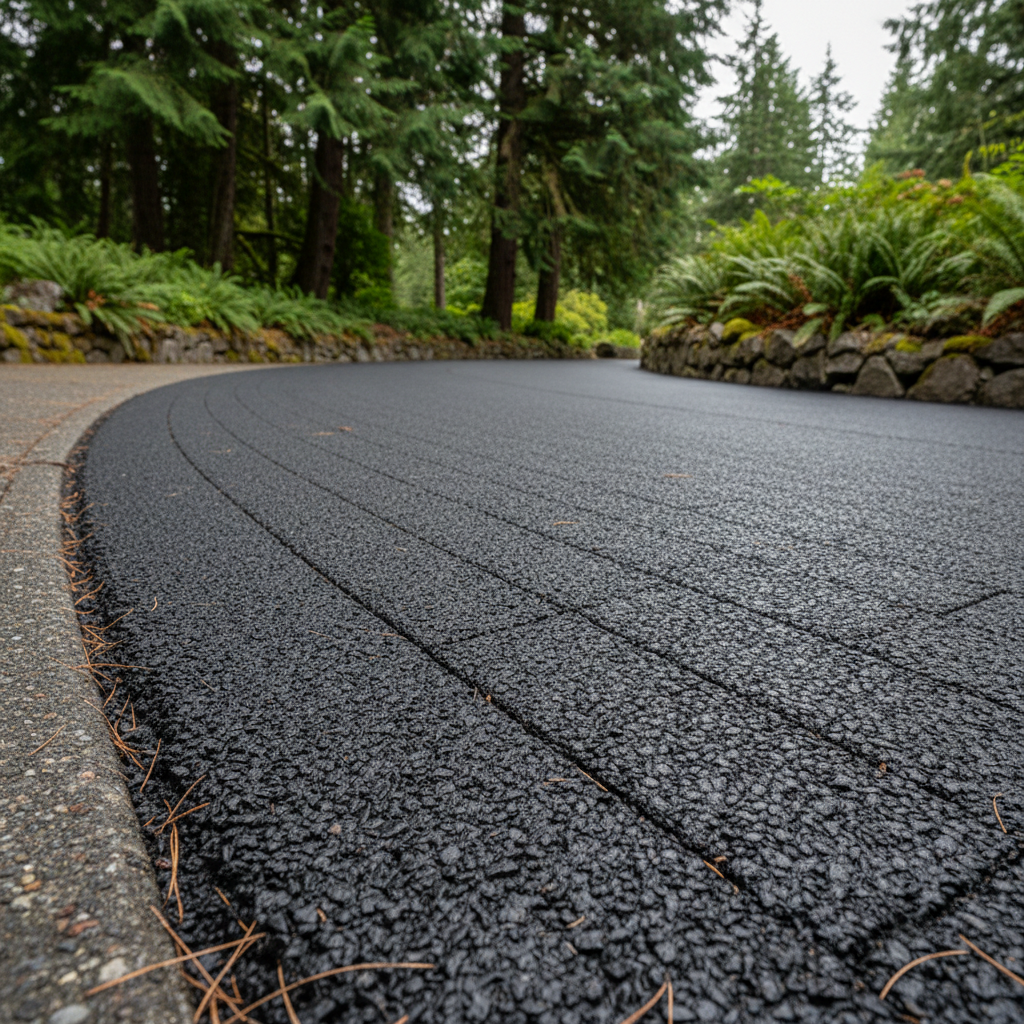
So, you’re staring at your driveway, right? Maybe it’s all cracked up, crumbling, or just looks tired. Getting a new driveway is a pretty big deal, a real investment, and you want to make sure it's done right. Here in Shoreline, we get a lot of rain – and let's be honest, our soil can be a bit tricky – so knowing what to expect before, during, and after a paving project is super important. Let's dig in.
Before You Pave: Planning & Prep
This is the stage where you save yourself a ton of headaches and money down the road. Seriously, don't skip it. First off, take a good look at your current driveway. What kind of shape is it in? If you've just got a few cracks and some minor wear, an overlay might be the answer. That's basically putting a fresh layer of asphalt right over the old one. But if it’s riddled with potholes, has water pooling, or the base is completely shot, then you’re probably looking at a full-depth replacement. That means ripping out all the old stuff and starting from scratch.
Here’s what you really need to think about:
- Drainage: This is a huge one, especially with our Pacific Northwest weather. Where's all that water going to go? You absolutely do not want it sitting on your brand-new driveway, running into your garage, or washing away your yard. A good contractor will map out the right slope and might even suggest installing drains. Honestly, this isn't a DIY job; you need an expert's eye here.
- Permits: Depending on how big the job is and if you’re changing the driveway’s size or adding more hard surfaces, you might need a permit from the City of Shoreline. Always, always check with the planning department. Trust me, ignorance isn't bliss when it comes to fines.
- Budget: Get a few quotes. Don't just pick the cheapest option; look for real value. Ask what’s all included: excavation, base material, asphalt thickness, how they’ll compact it, and what kind of warranty you get.
- DIY vs. Pro: Can you do any of this yourself? Maybe some initial clearing if you’re pulling out a gravel driveway. But for anything that involves grading, putting down a solid base, and especially laying the asphalt itself, you absolutely need a professional. Asphalt paving equipment is specialized, expensive, and takes serious skill to operate. You can’t just rent a roller and expect a smooth, long-lasting finish, can you?
During the Project: What to Expect
Once you’ve picked a reputable contractor – and I really hope you’re thinking about Paradise Asphalt Solutions for your Shoreline project – here’s a general idea of what will happen. For a full replacement, they’ll start by removing the old material. Be ready for some noise and dust. Next, they’ll tackle the subgrade, making sure it’s nice and stable. After that comes the base layer, usually crushed rock, which is super important for the driveway’s strength and how long it lasts. This layer gets compacted heavily.
Then, the asphalt goes down. It’s hot, it smells, and they lay it in layers, then compact it again. Good contractors will use a quality asphalt mix and make sure it’s properly compacted to avoid problems later on. They’ll also pay close attention to the edges and transitions, ensuring everything looks clean and finished. Communication is key during this phase. Don't hesitate to ask questions if something doesn't look quite right or if you're not sure about a step.
After the Pave: Curing & Care
Your new driveway isn't ready for heavy traffic right away. Asphalt needs time to cure and harden up. Your contractor will give you specific instructions, but generally, you'll want to stay off it for at least 24-72 hours. And try to avoid parking heavy vehicles or turning your wheels sharply in place for a week or two. This is extra important for new construction in places like Richmond Beach, where driveways can be steep, putting more stress on fresh pavement.
Long-term care is pretty simple:
- Sealcoating: Think of this as your driveway’s sunscreen and rain jacket. It protects the asphalt from UV rays, water seeping in, and oil spills. Most driveways need sealcoating every 2-3 years, depending on how much traffic it gets and the weather. This is something you *could* technically do yourself for small spots, but hiring a pro ensures even coverage and the right application.
- Cleaning: Keep it clear of debris, dirt, and oil spills. A good sweep and an occasional wash with a mild detergent is usually all it takes. Address oil and gas spills quickly; they can really break down the asphalt binder.
- Crack Repair: Small cracks are just going to happen over time. Filling them quickly stops water from getting underneath and causing bigger issues like potholes. You can grab crack filler at hardware stores for minor cracks, but for anything significant or widespread, give your paving contractor a call.
A new driveway is a big investment, no doubt, but with the right planning and professional help, it’ll really boost your home’s curb appeal and last for decades. Don't cut corners, and don't be shy about asking for references. You want the job done right the first time, after all.