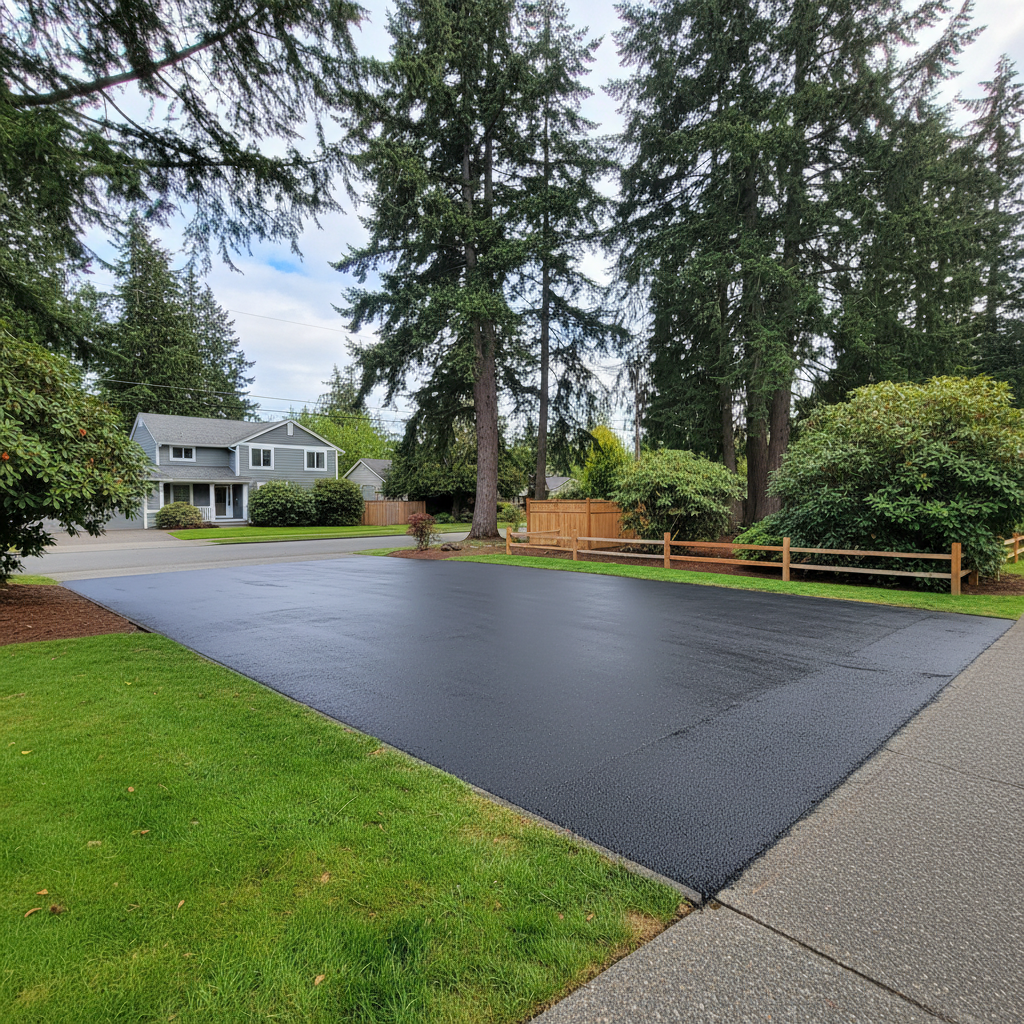
So, you just got a fresh slurry coat on your parking lot or driveway. Looks sharp, doesn't it? That deep, dark finish isn't just for show; it's a protective layer that actually makes your asphalt last longer. But it's not something you can just put down and forget about, especially here in Shoreline with our notoriously wet winters and those occasional hot, dry spells. You really need to take care of it if you want it to stand the test of time. Think of it like getting regular oil changes for your car – a little effort now saves you a lot of grief later on.
Making Your Slurry Coat Last Longer
The biggest thing you can do to squeeze more years out of your slurry coating is to shield it from its worst enemies: water, sun, and heavy traffic. Our Pacific Northwest climate means we get plenty of all three, sometimes all in the same week, wouldn't you say?
- Keep it Tidy: Dirt, leaves, and other junk can trap moisture right against the surface. When that moisture freezes and then thaws, it can really mess up your coating. A quick sweep or blow-off regularly, especially after a big storm, helps a lot.
- Watch for Spills: Oil, gas, and other automotive fluids are absolutely brutal on asphalt and slurry. They break down the binders, no question. If you spot a spill, clean it up immediately with something absorbent. Seriously, don't let it just sit there.
- Mind the Edges: The edges of your pavement, especially where it meets grass or gravel, often show wear first. Make sure water isn't pooling there. Good drainage is super important. If you've got a bunch of moss growing along the edges, it's holding moisture, and you need to get rid of it.
- Don't Overload It: Slurry coating is tough, sure, but it wasn't made for constant heavy loads in the exact same spot. If you've got dumpsters or heavy equipment parked in one place for long periods, try moving them around or putting protective mats underneath.
Regular Maintenance: What You Should Be Doing
Beyond those general tips, there are a few things you should be doing consistently to keep your slurry looking good and working its best.
First off, inspect your pavement regularly. I'd say at least once a quarter, and definitely after any significant weather event. Walk the whole area. Look for anything that seems out of place.
Pressure washing can be okay, but you really need to be careful. Too much pressure, especially with a narrow tip, can actually damage the slurry itself. If you're going to pressure wash, use a wider fan tip and keep the pressure moderate. You're trying to clean, not strip the surface. For most residential driveways, a good hose and a stiff broom are usually all you need.
Weeds are another big one. If you see weeds pushing through cracks, don't just pull them out. That can actually make the crack bigger. Use a weed killer specifically for paved surfaces, then deal with the crack itself. We see a lot of aggressive weeds in areas like Richmond Beach, where the soil is often rich and holds moisture, giving them a perfect place to take root.
Warning Signs You Shouldn't Ignore
Your pavement will tell you when it's not happy. You just need to know what to look for, right? Catching these things early can save you a ton of money and hassle down the road.
- Cracks: Any new cracks, especially ones that are widening or connecting, are a big red flag. Small hairline cracks happen over time, that's normal, but anything bigger than a quarter-inch needs attention.
- Fading or Discoloration: If your slurry coat is starting to look dull, grey, or patchy, it means its protective qualities are wearing thin. It's losing its UV resistance and becoming more vulnerable to water damage.
- Potholes or Depressions: These usually point to a problem underneath the surface, not just the slurry coat itself. Water is getting in and eroding the base material.
- Loose Aggregate: If you're seeing small stones or sand coming loose from the surface, that's a sign the binder in the slurry is failing.
- Water Pooling: After a good rain, if you have puddles that don't drain within a few hours, you've got a drainage issue or a depression forming. That standing water will definitely speed up deterioration.
When to Call a Professional
Listen, I'm all for homeowners doing what they can, but some things are just better left to the pros. You shouldn't hesitate to give us a call at Paradise Asphalt Solutions if you see:
- Extensive Cracking: If cracks are widespread, interconnected, or forming that 'alligator' pattern, you're past the point of simple crack filling.
- Large Potholes: These need proper patching and compaction, not just throwing some cold patch in there and hoping for the best.
- Significant Fading or Wear: If the entire surface is looking tired and worn, it might be time for a fresh slurry coat application. Don't wait until the asphalt underneath starts to really break down.
- Drainage Problems: If water is consistently pooling and not draining, it could point to a larger sub-base issue or even a need for re-grading.
- Any Damage You're Unsure About: Better to get an expert opinion than to let a small problem turn into a huge, expensive repair, don't you think? We're always happy to come out and take a look.
Taking good care of your slurry coating isn't rocket science, but it does ask for a little attention. A well-maintained surface not only looks better but also protects your investment for years to come. Don't let those small issues snowball into big ones.